Description
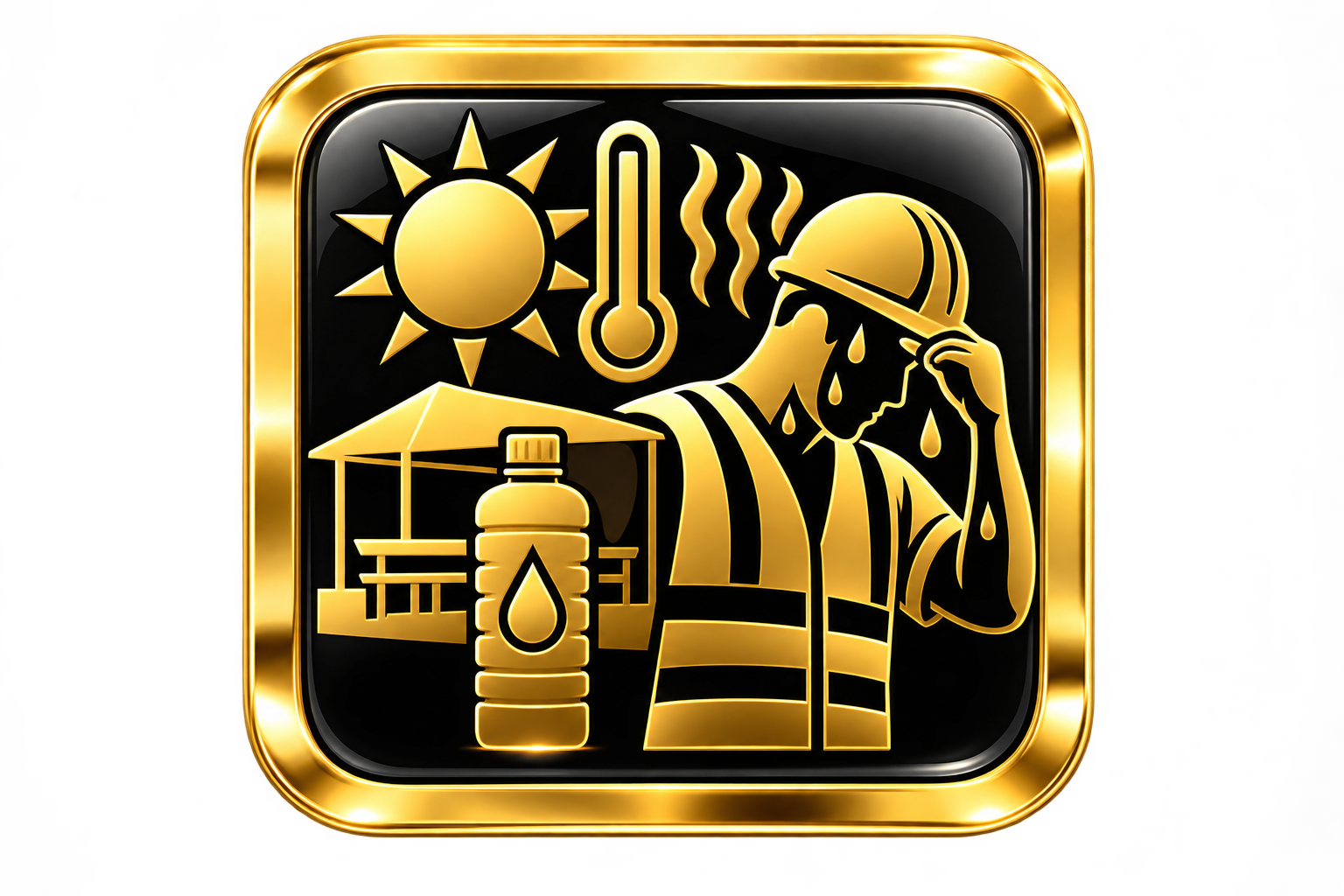
A.R.G. Heat Illness Prevention & Heat Stress Safety Training
The A.R.G. Heat Illness Prevention & Heat Stress Safety Training program is designed to help employees, supervisors, managers, contractors, and other workplace personnel recognize occupational heat hazards, understand heat-related illnesses, apply preventive measures, and respond appropriately when signs or symptoms of heat illness are observed.
This training addresses heat exposure in both outdoor and indoor work environments and emphasizes hazard recognition, hydration, rest, cooling, acclimatization, work practices, employee monitoring, emergency procedures, and the importance of prompt response to suspected heat-related illness.
Program Objectives
Upon successful completion of this training, participants should be able to:
- Recognize occupational heat hazards and conditions that may contribute to heat stress.
- Understand the difference between environmental heat exposure and heat strain experienced by the worker.
- Recognize common signs and symptoms of heat-related illnesses.
- Recognize heat rash, heat cramps, heat exhaustion, and heat stroke.
- Understand that heat stroke is a medical emergency requiring immediate action.
- Understand the importance of hydration before, during, and after work in hot environments.
- Recognize the importance of appropriate rest and recovery periods.
- Understand the role of shade, cooling areas, ventilation, and other methods for reducing heat exposure.
- Understand acclimatization and the increased risks faced by new and returning workers.
- Recognize environmental, job-related, and individual factors that may increase heat-related risk.
- Understand how workload, protective clothing, and certain personal protective equipment may contribute to heat stress.
- Recognize the importance of monitoring coworkers for signs and symptoms of heat illness.
- Understand buddy-system principles for work in heat-stress environments.
- Recognize appropriate emergency response procedures for suspected heat-related illness.
- Understand the importance of promptly contacting emergency medical services when appropriate.
- Understand employer-specific heat illness prevention procedures and employee responsibilities.
Major Training Areas
Heat Stress Awareness • Heat Hazard Recognition • Heat-Related Illnesses • Heat Rash • Heat Cramps • Heat Exhaustion • Heat Stroke • Hydration • Water, Rest & Shade • Acclimatization • New & Returning Worker Awareness • Environmental Heat Exposure • Workload & Physical Exertion • PPE & Protective Clothing Considerations • Work/Rest Practices • Cooling & Recovery Areas • Buddy System • Employee Monitoring • Emergency Response • First Aid Awareness • Heat Illness Prevention Programs
Heat Illness Prevention
Training emphasizes preventive measures such as access to drinking water, appropriate rest and recovery periods, cooler or shaded recovery locations, gradual acclimatization, work scheduling considerations, employee monitoring, emergency planning, and other appropriate controls based on workplace conditions.
Heat-Related Emergency Awareness
Participants receive awareness-level instruction on recognizing heat-related emergencies and initiating appropriate workplace emergency procedures. Suspected heat stroke requires immediate emergency response and prompt medical attention.
Recommended For
Construction Workers • General Industry Employees • Outdoor Workers • Warehouse Personnel • Roofing Personnel • Landscaping Personnel • Utility Workers • Maintenance Personnel • Manufacturing Employees • Maritime Personnel • Equipment Operators • Supervisors • Foremen • Managers • Safety Personnel • Other Employees Exposed to Hot Working Conditions
Training Format
Instructor-Led Training • Classroom or Approved Training Environment • English or Spanish
Employer-Specific Training
When included within the agreed training scope, A.R.G. may incorporate employer-specific heat illness prevention procedures, emergency communication requirements, hydration and rest procedures, work scheduling practices, acclimatization procedures, designated cooling areas, reporting requirements, and other applicable workplace information.
Certificate of Training
Participants who successfully complete the applicable training requirements and required assessments may receive an A.R.G. Construction, Safety & Health Certificate of Training.
Request Training or Additional Information
For course schedules, availability, pricing, English or Spanish training, or group training, contact our Training & Sales Department at sales@argcsh.org.
Important Notice
This program provides occupational heat illness prevention and heat stress safety training. It does not provide medical diagnosis or medical treatment and does not replace employer-specific hazard assessments, emergency procedures, applicable regulatory requirements, or professional medical advice. Employers remain responsible for evaluating workplace heat hazards and implementing appropriate engineering controls, work practices, acclimatization procedures, hydration and rest provisions, emergency procedures, training, and other protective measures applicable to their workplace. Federal, state, and local requirements may vary by jurisdiction and workplace.





There are no reviews yet.